What Is Air Quality Systems?
Air Quality Systems are advanced environmental solutions designed to improve indoor air quality by reducing airborne pollutants, eliminating unpleasant odors, and creating a healthier and more comfortable environment. These systems utilize modern technologies to control indoor air quality across residential, commercial, healthcare, hospitality, and industrial facilities.
With the increasing impact of indoor air pollution, airborne particles, allergens, and unpleasant odors, Air Quality Systems have become an essential part of modern buildings. They help create cleaner indoor environments, improve occupant comfort, and support healthier living and working spaces.
Types of Air Quality Systems
Air Quality Systems are classified based on their function and application. Selecting the right system depends on factors such as the size of the facility, the level of air pollution, and the specific environmental requirements. The
main types of Air Quality Systems include:
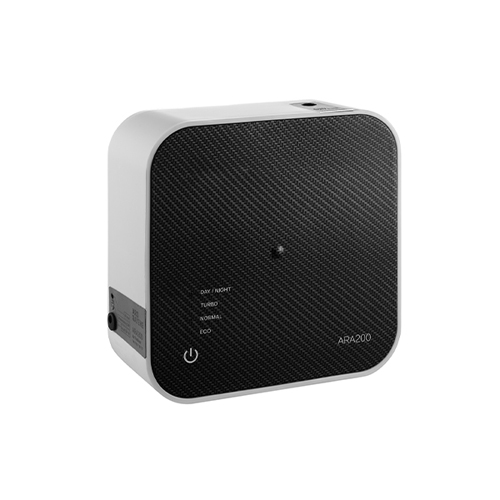
Air Purifiers
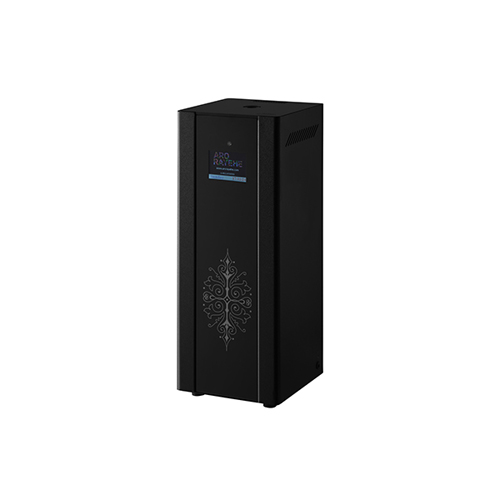
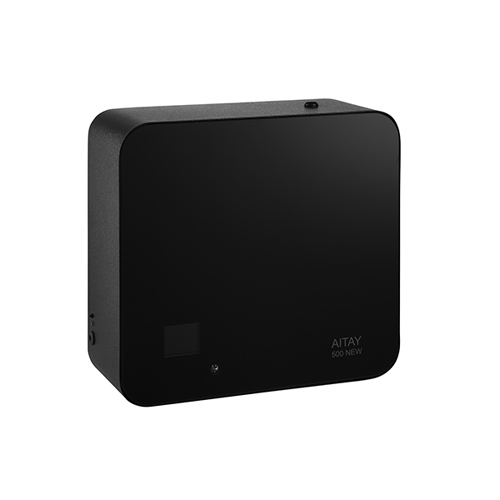
Air Fresheners
Air Purifiers
Air Purifiers are designed to remove airborne contaminants through advanced multi-stage filtration systems. They effectively capture dust, fine particulate matter, allergens, smoke, unpleasant odors, volatile organic compounds (VOCs), and, depending on the filtration technology, certain bacteria and viruses.
Air Purifiers are available in residential, commercial, and industrial models, making them suitable for homes, offices, hospitals, hotels, educational facilities, and manufacturing environments. By continuously filtering indoor air, they help create a cleaner, healthier, and more comfortable space.
Air Fresheners
Air Fresheners are designed to distribute pleasant fragrances evenly throughout indoor environments, creating a fresh and welcoming atmosphere. These systems use advanced fragrance diffusion technology to deliver consistent scent coverage while allowing precise control over fragrance intensity.
Air Fresheners are widely used in hotels, shopping centers, offices, restaurants, retail stores, healthcare facilities, and public buildings. In addition to eliminating unpleasant odors, they enhance the customer experience and contribute to a more enjoyable indoor environment.
Benefits of Air Quality Systems
Implementing Air Quality Systems significantly improves indoor environmental quality by reducing airborne contaminants and maintaining a fresher atmosphere. These systems support healthier indoor spaces while enhancing comfort for occupants, employees, customers, and visitors.
Key benefits of Air Quality Systems include:
Improve indoor air quality by reducing airborne pollutants
Remove dust, allergens, and fine particulate matter
Eliminate unpleasant odors and maintain a fresh environment
Create healthier and more comfortable indoor spaces
Support respiratory health by reducing airborne contaminants
Enhance customer and visitor experience in commercial facilities
Reduce dust accumulation on furniture, equipment, and surfaces
Improve workplace comfort and employee productivity
Suitable for residential, commercial, healthcare, and industrial applications






 Scrubber Dryer
 Floor Sweeper
 Vacuum Cleaner
 Pressure Washer
 Automatic Car Wash
 Carpet Cleaner Machine
 Polisher
 Facade Cleaning
 Urban Cleaning Machine
 Cleaning Robot
 Air Quality Systems
 Industrial Detergents