?What Is an Industrial Vacuum Cleaner
An industrial vacuum cleaner, also known as an industrial extractor, is one of the most essential devices used for cleaning in industrial and commercial environments. It operates by creating a partial vacuum inside a tank using a pump, which generates negative pressure to draw in various materials and debris.
Unlike household vacuum cleaners designed for light-duty tasks, industrial vacuum cleaners are built for heavy-duty use, offering higher suction power and larger capacity. They’re ideal for collecting dust, waste, liquids, and even for transferring materials in various industrial settings. These machines also play a crucial role in maintaining cleanliness in sensitive environments where dust or toxic particles may pose a health .risk
Types of Vacuum Cleaners
Due to the variety of work environments and cleaning needs, vacuum cleaners come in many different models and types. One of the primary ways to categorize them is based on the type of material they are designed to collect. From this perspective, there are two main categories:
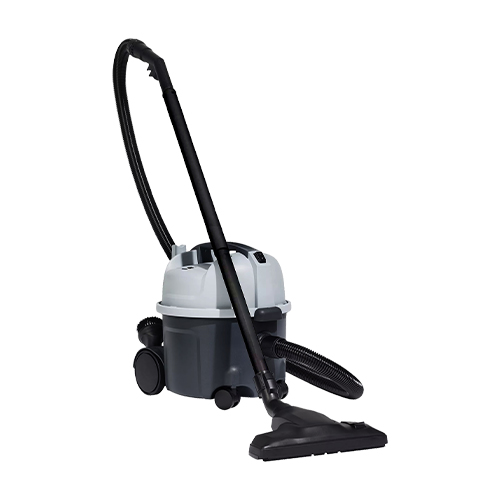
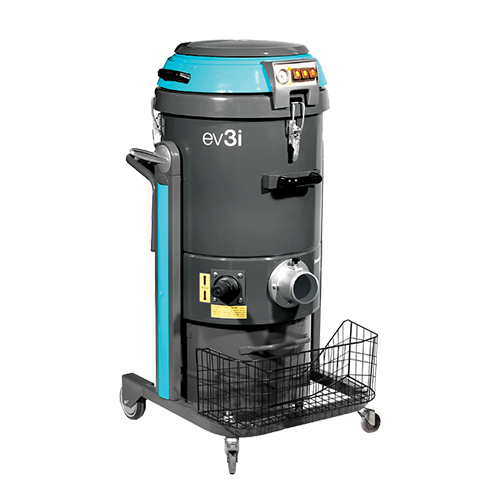
Dry Vacuum Cleaners: These are used to collect dry particles such as dust, wood shavings, or metal filings.
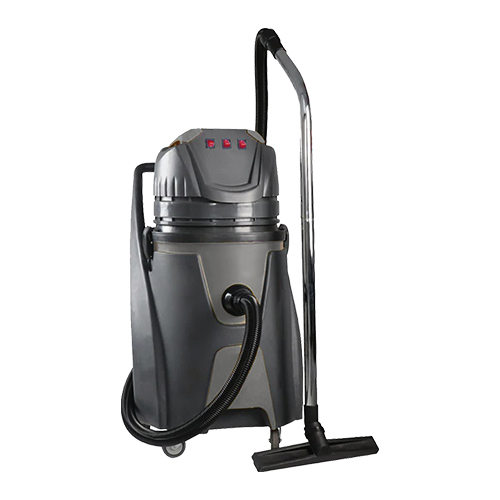
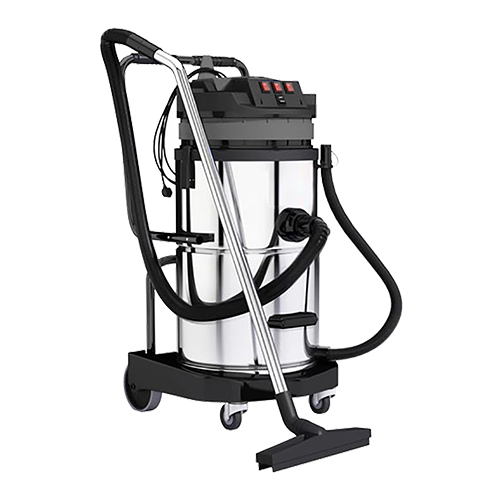
Wet and Dry Vacuum Cleaners: These models can handle both liquids and solid waste simultaneously, making them particularly useful in settings like food production or car washes.
This classification helps users choose the most suitable vacuum cleaner according to their specific operational needs.
Types of Vacuum Cleaners Based on Motor and Power Source
Another key way to classify industrial vacuum cleaners is by their motor type and power source, both of which directly impact the machine’s efficiency, portability, and usability in different work environments. These types include:
Electric Motor Vacuum Cleaners: The most commonly used type, powered by either single-phase or three-phase electricity. They are ideal for indoor environments with reliable power access.
Fuel-Powered Vacuum Cleaners (Gasoline or Diesel): Suitable for outdoor or remote locations where electricity is not readily available.
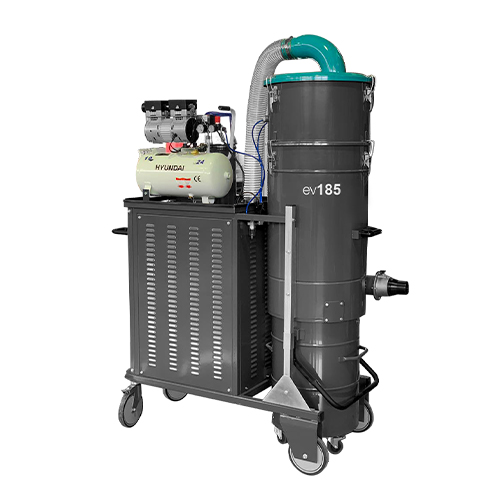
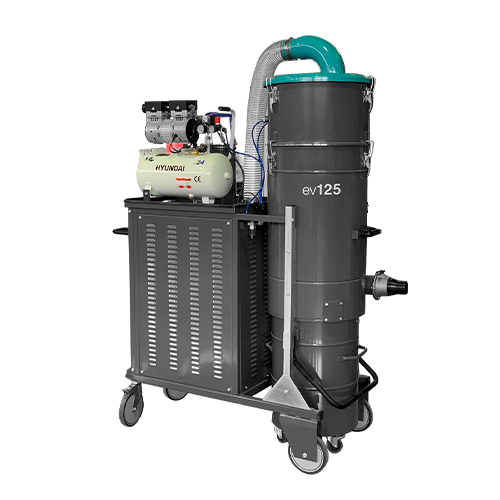
Air-Powered (Pneumatic) Vacuum Cleaners: These machines operate using compressed air and have no electric motor, making them ideal for environments where electrical equipment may pose an explosion risk or is otherwise restricted.
Each type has its own advantages and limitations, and the choice depends on the work environment.
Types of Vacuum Cleaners Based on Number of Motors
Suction power in industrial vacuum cleaners is closely tied to the number of motors installed. More motors generally mean greater performance and a higher ability to handle large amounts of debris. Based on motor count, vacuum cleaners are typically divided into:
Single-Motor Vacuum Cleaners: These are the simplest and most economical models, suitable for lighter tasks and semi-industrial or domestic use.
Dual-Motor Vacuum Cleaners: These provide stronger suction power and are appropriate for medium-level cleaning demands in industrial environments.
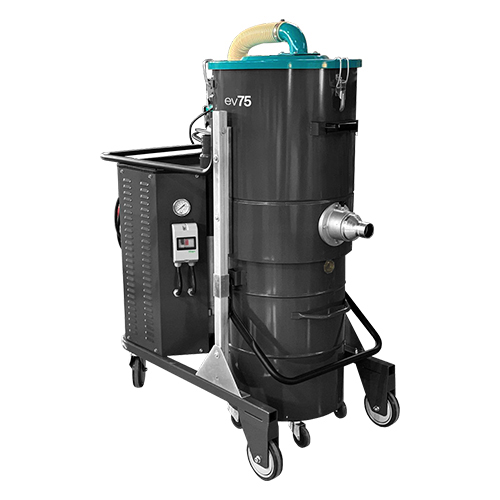
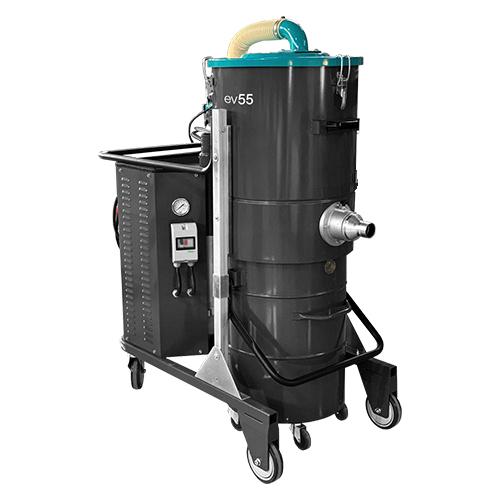
Three-Motor Vacuum Cleaners: Designed for heavy-duty applications, these machines can operate all motors at once or each independently, offering flexible performance and longer service life.
Selecting the appropriate number of motors depends on the level of dirt and workload in your specific setting.
Key Applications of Industrial Vacuum Cleaners
Industrial vacuum cleaners are widely used across various sectors due to their powerful performance and versatility. Their main applications include:
Dust Collection in Factories: Especially in pharmaceutical, food, and chemical industries, to ensure cleanliness and compliance with hygiene standards.
Suction of Metal Shavings and Solid Particles: In mechanical workshops, woodworking spaces, and automotive plants, to maintain clean and safe work areas.
Cleaning Around Industrial Equipment: To remove residual waste that accumulates around machinery and production lines.
Construction Site Cleanup: Ideal for vacuuming up concrete, dust, debris, and other construction waste.
Cleaning Food Spills and Particles: Such as flour, sugar, grains, and other powdered materials in food production facilities.
Maintaining Cleanliness in Hotels and Restaurants: Used in guest rooms, hallways, kitchens, and other common areas.
Sanitizing Healthcare Facilities: Including hospitals and clinics where high cleanliness standards are mandatory.
Vehicle Cleaning at Car Washes: For vacuuming interiors and removing mud and spilled liquids.
Industrial Dust Extraction: Especially in sensitive or hazardous environments such as cleanrooms or facilities that produce toxic dust harmful to workers.
It’s also worth noting that all types of vacuum cleaners whether household, commercial, semi-industrial, or heavy-duty operate based on two fundamental performance factors: suction power and airflow rate. These parameters must be considered carefully to ensure effective and efficient cleaning.





 Scrubber Dryer
 Floor Sweeper
 Vacuum Cleaner
 Pressure Washer
 Automatic Car Wash
 Carpet Cleaner Machine
 Polisher
 Facade Cleaning
 Urban Cleaning Machine
 Cleaning Robot
 Air Quality Systems
 Industrial Detergents