What is a Cleaning Robot?
A Cleaning robot is an intelligent and autonomous device capable of performing surface cleaning processes without direct operator guidance. Unlike industrial cleaning equipment, which relies on human labor, Cleaning robots use navigation systems, sensors, and control software to detect the environment, plan their movement paths, and execute cleaning operations independently. In other words, not every cleaning device qualifies as a robot; a device is considered a Cleaning robot only when it combines mechanical cleaning with a certain level of intelligence and autonomy.
Types of Cleaning Robots
Cleaning robots are designed according to the type of dirt, the size of the environment, surface material, and space application. Therefore, a single model cannot suit all areas. Some robots are designed for deep cleaning hard surfaces, some for collecting dust and dry waste in industrial settings, and others for urban environments and outdoor spaces. Each Cleaning robot is developed for a specific purpose to maximize cleaning efficiency in its respective domain. Types of Cleaning robots include:
Multi-purpose cleaning robots
Robotic scrubbers
Robotic sweepers
Urban cleaning robots
Robotic Scrubber
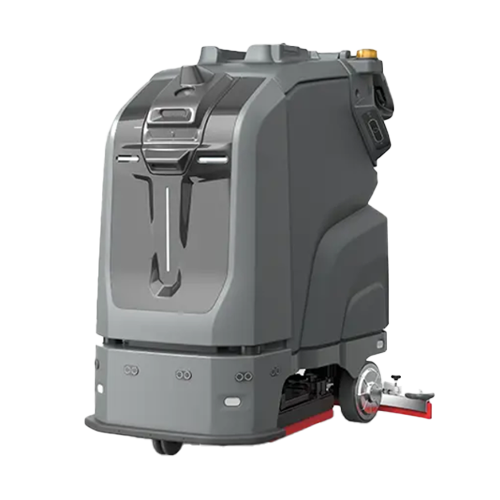
A robotic scrubber is an advanced automated version of an industrial scrubber, specialized in washing and drying hard surfaces such as ceramic, concrete, epoxy, and stone. Using intelligent navigation systems, obstacle detection sensors, and path-planning algorithms, the robotic scrubber scans the environment and determines the optimal route for complete surface coverage. All washing and drying operations are performed without an operator, significantly improving cleaning quality and efficiency.
Robotic Sweeper
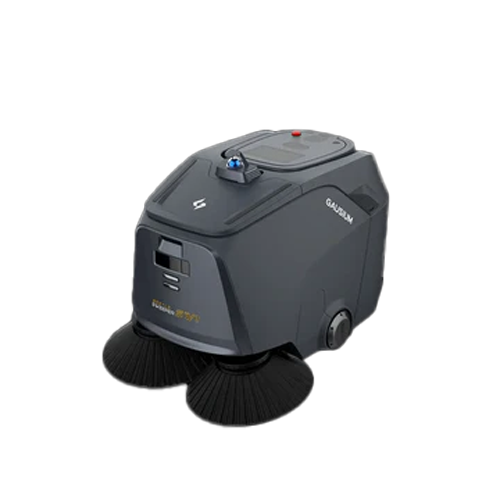
A robotic sweeper is a specialized Cleaning robot designed for collecting dry waste, dust, and suspended particles from various surfaces. As an intelligent version of a traditional sweeper, it operates autonomously without direct human guidance. By using advanced navigation systems, obstacle detection sensors, and environmental mapping technology, the robotic sweeper plans its route efficiently, avoiding collisions and ensuring uniform coverage.
Urban Cleaning Robot
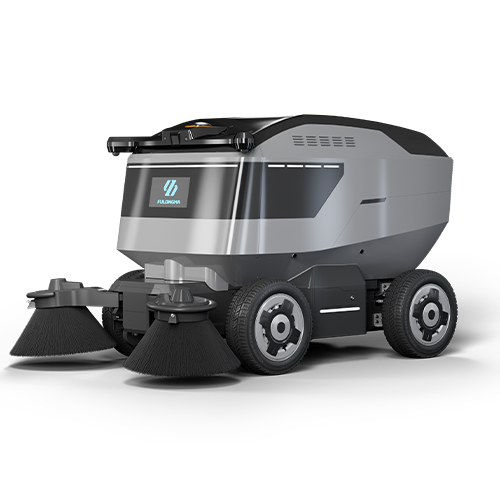
An urban Cleaning robot is the intelligent and autonomous generation of large city sweepers, designed to clean streets, sidewalks, squares, and public areas. These robots utilize advanced navigation systems, safety sensors, and path-planning algorithms to follow pre-set routes autonomously, minimizing human intervention. Their main goals are to increase urban service efficiency, reduce operational costs, and improve public hygiene.
Applications of Cleaning Robots
Cleaning robots are deployed as smart solutions for environmental hygiene management, enhancing productivity, reducing dependency on human labor, and standardizing cleaning processes across various spaces. With programmability, uniform surface coverage, and performance reporting, these robots enable continuous and controlled cleaning. Particularly in large, high-traffic, or sensitive environments, they minimize human error, optimize water and detergent usage, and improve safety.
Key applications include:
Factories and industrial production lines: Collect industrial dust, production residues, and clean floors, ensuring safety and extending equipment life.
Warehouses and logistics centers: Cover large surfaces, control dust from material handling and forklifts, and improve traffic safety.
Shopping malls and commercial complexes: Enable continuous cleaning during operating hours without disturbing customers, maintaining a professional and clean appearance.
Hospitals and healthcare centers: Provide regular washing and disinfection of surfaces, controlling microbial contamination and enhancing hygiene standards.
Airports, metro stations, and terminals: Ensure programmed and continuous cleaning in high-traffic areas, guaranteeing large-scale cleanliness.
Hotels and hospitality centers: Maintain uninterrupted cleanliness of lobbies, corridors, and public areas, improving guest experience.
Office and administrative buildings: Scheduled cleaning ensures a clean and safe work environment, increasing employee productivity.
Data centers:Control floor dust and prevent particles from damaging sensitive equipment.
Power plants and electricity-related industries: Manage industrial contamination and maintain safe equipment access paths.
Urban spaces and public areas: Perform mechanized sweeping and cleaning on a large scale, improving urban hygiene.
Conclusion
Cleaning robots, with high autonomy and intelligence, have transformed cleaning processes across industrial, commercial, urban, and administrative environments. Choosing the appropriate Cleaning robot based on area size, surface type, dirt level, and application directly affects productivity, cleaning quality, cost reduction, and safety. These devices optimize cleaning operations while reducing human dependency and ensuring continuous, standardized, and controlled maintenance of the environment.





 Scrubber Dryer
 Floor Sweeper
 Vacuum Cleaner
 Pressure Washer
 Automatic Car Wash
 Carpet Cleaner Machine
 Polisher
 Facade Cleaning
 Urban Cleaning Machine
 Cleaning Robot
 Air Quality Systems
 Industrial Detergents