What Is an Industrial Pressure Washer?
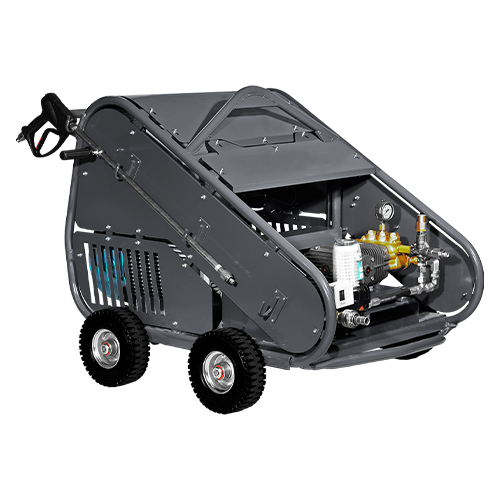
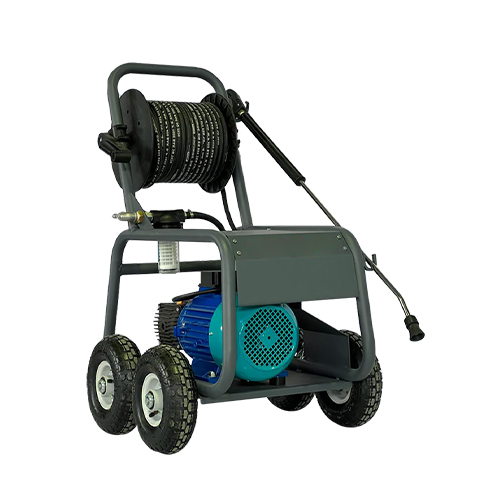
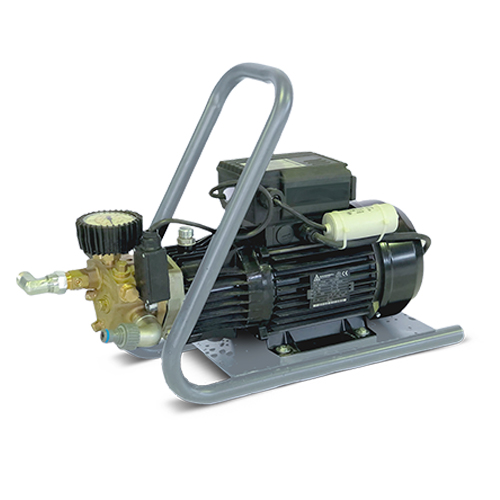
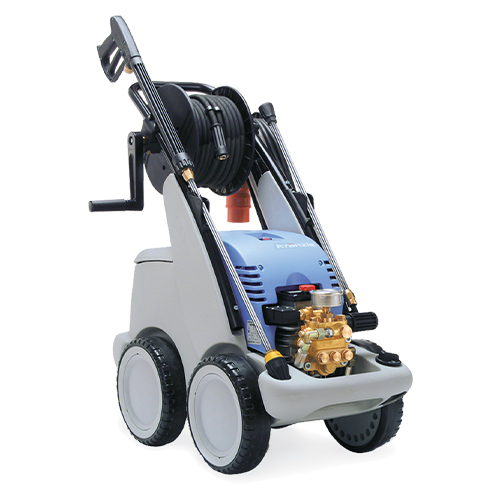
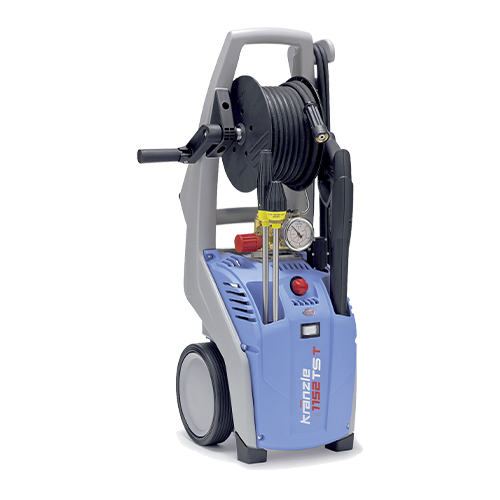
An industrial pressure washer, also known as a jet wash or industrial car wash, is a mechanized cleaning device that uses high water pressure to remove tough and deep contaminants from various surfaces. This machine draws water from an external source and sprays it onto the contaminated surface under high pressure. The use of these devices in industrial, residential, and commercial environments enhances cleaning quality, improves productivity, preserves equipment health, and reduces ancillary costs. Industrial car wash machines, due to their wide variety in design and functionality, are considered among the most important cleaning tools in the industrial sector.
Types of Industrial Pressure Washers
Similar to other mechanized equipment, industrial pressure washers come in various types, each designed to address specific needs in different environments. These devices are categorized based on three key features:
Working pressure
Output water temperature
Power source
This diversity allows users to select the most suitable option based on the type of contamination, the surface to be cleaned, environmental conditions, and budget.
Types of Industrial Pressure Washers Based on Machine Pressure
One of the most crucial factors in choosing an industrial pressure washer is the pressure it produces. The pressure of the machine directly affects cleaning power, operational speed, and the final cost of the device. Most pressure washers have an adjustable pressure dial, allowing users to select the appropriate pressure for different surfaces. These machines are divided into three main categories:
Home Pressure Washer (150 to 200 bar): Suitable for light residential and commercial use with typical contamination.
High-Pressure Cleaner (200 to 300 bar): Ideal for light industrial and semi-industrial environments.
Ultra-High Pressure Washer (over 300 bar): Designed for cleaning and removing very tough contaminants in heavy industrial environments.
Types of Industrial Pressure Washers Based on Output Water Temperature
Another parameter in categorizing industrial pressure washers is the output water temperature. This factor plays an important role in the machine’s performance and its effectiveness in removing greasy and sticky contaminants. Generally, machines are divided into two groups based on water temperature:
Cold Water Industrial Pressure Washer: The most common type, suitable for general use and non-greasy cleaning tasks.
Hot Water Industrial Pressure Washer: Ideal for environments with oily, greasy contaminants or requiring disinfection; this model significantly increases cleaning efficiency by raising the water temperature.
It is worth noting that hot water pressure washers tend to be more expensive than cold water models due to their more complex structure and higher energy consumption.
Types of Industrial Pressure Washers Based on Power Source
The power source of the machine is another important factor in selecting and using industrial pressure washers. Depending on environmental conditions, the type of use, and access to power resources, one of the following two types can be chosen:
Diesel or Gasoline Pressure Washer: Suitable for outdoor environments and locations where access to electricity is limited or unavailable. These machines generally have higher power, but their use in enclosed spaces is not recommended due to the production of smoke and harmful gases.
Electric Industrial Pressure Washer: Suitable for indoor spaces or places with permanent access to electricity. These models are quieter, less polluting, and ideal for environments sensitive to contamination.
Applications of Industrial Pressure Washers
Industrial pressure washers, which use high pressure and sometimes high temperatures, have wide-ranging applications in various cleaning and industrial processes. These devices are used not only for surface cleaning but also for operations like paint stripping, surface preparation, and even demolition of hard structures. The most common applications include:
Cleaning Open Areas and Yards: Removing dust and surface contaminants from cement, stone, and mosaic surfaces.
Car Wash and Vehicle Cleaning: Used in car wash centers for cleaning vehicle exteriors, wheels, and undercarriages.
Cleaning Equipment and Tools: Especially in workshops and industries for cleaning machines and tools.
Cleaning Hard-to-Reach Areas: The high water pressure enables cleaning areas that are typically inaccessible by conventional means.
Disinfection of Environments and Equipment with Hot Water: Suitable for healthcare facilities, food industries, and livestock farms.
Surface Stripping: Removing dirt and accumulated layers of contaminants from various surfaces.
Paint Removal: In industrial and construction projects for stripping old paint from walls, floors, or equipment.
Cutting Various Materials: In specific cases, with extremely high pressure, it is possible to cut metals or plastics.
Concrete and Stone Demolition: Using extremely high pressure to remove damaged concrete surfaces or prepare them for repairs.
Rust Removal: Eliminating rust from metal surfaces, especially in the oil, gas, and petrochemical industries.





 Scrubber Dryer
 Floor Sweeper
 Vacuum Cleaner
 Pressure Washer
 Automatic Car Wash
 Carpet Cleaner Machine
 Polisher
 Facade Cleaning
 Urban Cleaning Machine
 Cleaning Robot
 Air Quality Systems
 Industrial Detergents