What is a Industrial Detergents?
Industrial Detergents are substances with high cleaning power, capable of removing tough dirt, stains, and residues from different surfaces. Their importance in modern industries has increased due to their critical role in maintaining hygiene, improving equipment efficiency, and preventing surface damage. A suitable Industrial Detergent should effectively clean contaminants without harming the underlying surface.
Some Industrial Detergents act as solvents, dissolving grease, grime, and deposits to clean surfaces, while Industrial Disinfectants are mainly used to eliminate microbial contamination. Selecting the appropriate Industrial Detergent not only improves cleaning quality but also extends the service life of equipment and installations.
Types of Industrial Detergents
Industrial Detergents are produced in various forms, each designed for specific cleaning applications. This variety ensures effective cleaning while minimizing environmental impact. Industrial Detergents are generally categorized based on three main criteria:
Type of chemical bond (ionic or non-ionic)
Acidity or alkalinity (pH)
Specific application
Classification of Industrial Detergents by Type of Bond
Chemical bonds in Industrial Detergents play a decisive role in their performance, determining how the detergent interacts with different contaminants and surfaces. Based on chemical bonding, Industrial Detergents are divided into two main categories:
Ionic Industrial Detergents: These detergents carry an electrical charge and are highly effective in removing water-soluble oils and grease.
Non-Ionic Industrial Detergents: These uncharged detergents are effective for cleaning contaminants less soluble in water and suitable for sensitive or special surfaces.
Types of Industrial Detergents by pH
Industrial Detergents are also classified according to their acidity or alkalinity. Each category is suitable for specific applications, depending on the type of contaminant and the surface material.
Acidic Industrial Detergents with Low pH: These detergents have a pH below 7 and are highly effective in removing mineral deposits, rust, and tough residues. They usually produce minimal foam and are widely used to clean metals, ceramics, and glass surfaces. Some acidic Industrial Detergents may be corrosive to certain metals, so proper selection and adherence to instructions are essential.
Alkaline Industrial Detergents with High pH: Alkaline detergents are effective in removing fats and organic contaminants, commonly used in food industries, kitchens, and industrial environments to clean heavy grease and protein residues.
Types of Industrial Detergents by Application
Industrial Detergents are categorized by the type of contamination and their application:
Degreasers and Descalers: For removing heavy grease, oils, and stubborn residues, used in industrial kitchens, production lines, and workshops.
Solvent-Based or Polishing Detergents: Clean and polish surfaces, creating a shiny, uniform finish.
Disinfectants: Remove microbes and microbial contamination, essential for hygiene in hospitals, food centers, and laboratories.
Application of Industrial Detergents in Cleaning Machines
In industrial cleaning machines, the use of Industrial Detergents plays a vital role in improving cleaning quality and disinfecting surfaces or equipment. Specially formulated detergents help machines remove dirt, grease, stains, and tough residues more effectively.
Selecting the proper Industrial Detergent for each machine is crucial, as it not only improves performance but also prevents damage to both the device and the surface. In many cases, detergents also extend the life of surfaces and enhance their shine. These chemical formulations boost cleaning power and contribute to environmental hygiene and contamination prevention.
Industrial cleaning equipment that uses Industrial Detergents for deeper and more effective cleaning includes:
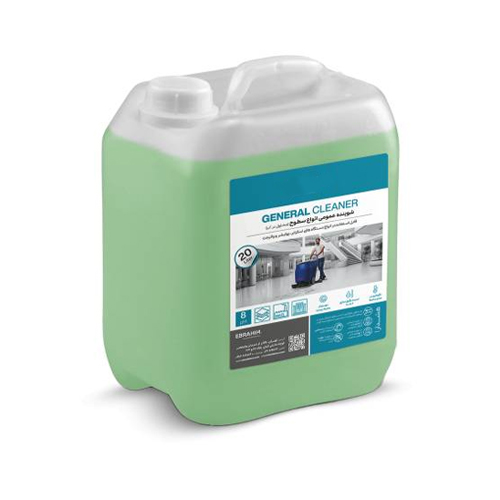
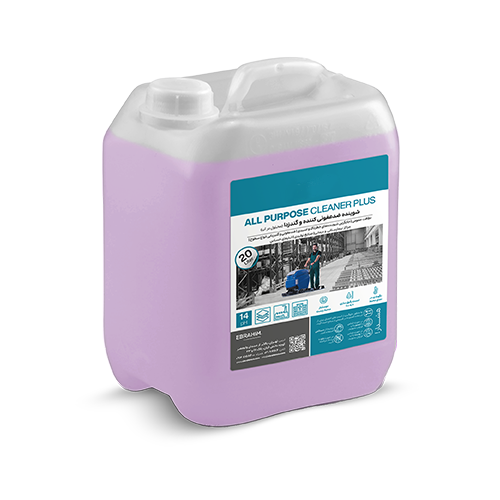
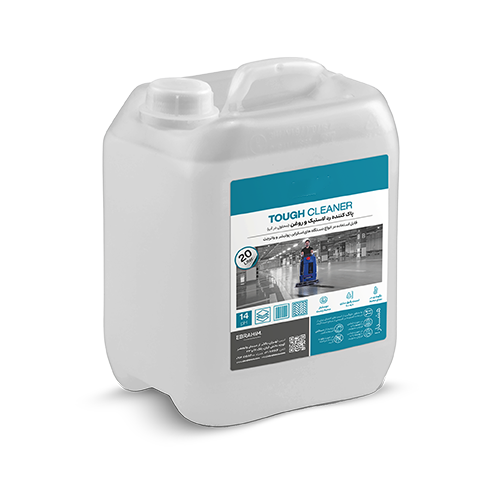
Industrial Scrubber: For cleaning hard floors in large industrial and commercial areas.
Industrial Waterjet: For cleaning water-resistant surfaces and removing tough deposits.
Industrial Polisher: For polishing and cleaning hard flat surfaces like ceramic and stone.
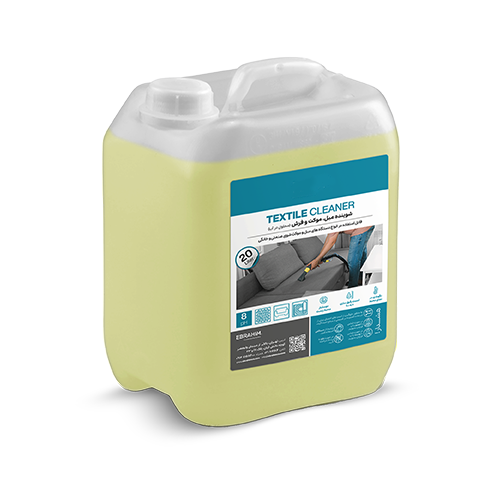
Industrial Upholstery Cleaner: For cleaning furniture and fabric surfaces without causing damage.
Industrial Carpet Cleaner: For removing deep stains and dirt while preserving carpet fibers.
Building Facade Cleaner: For cleaning facades and glass in commercial and residential buildings.





 Scrubber Dryer
 Floor Sweeper
 Vacuum Cleaner
 Pressure Washer
 Automatic Car Wash
 Carpet Cleaner Machine
 Polisher
 Facade Cleaning
 Urban Cleaning Machine
 Cleaning Robot
 Air Quality Systems
 Industrial Detergents